The method
How it works.
Four steps. The last one repeats on a set schedule until the numbers say you're back.
Step 1 of 4
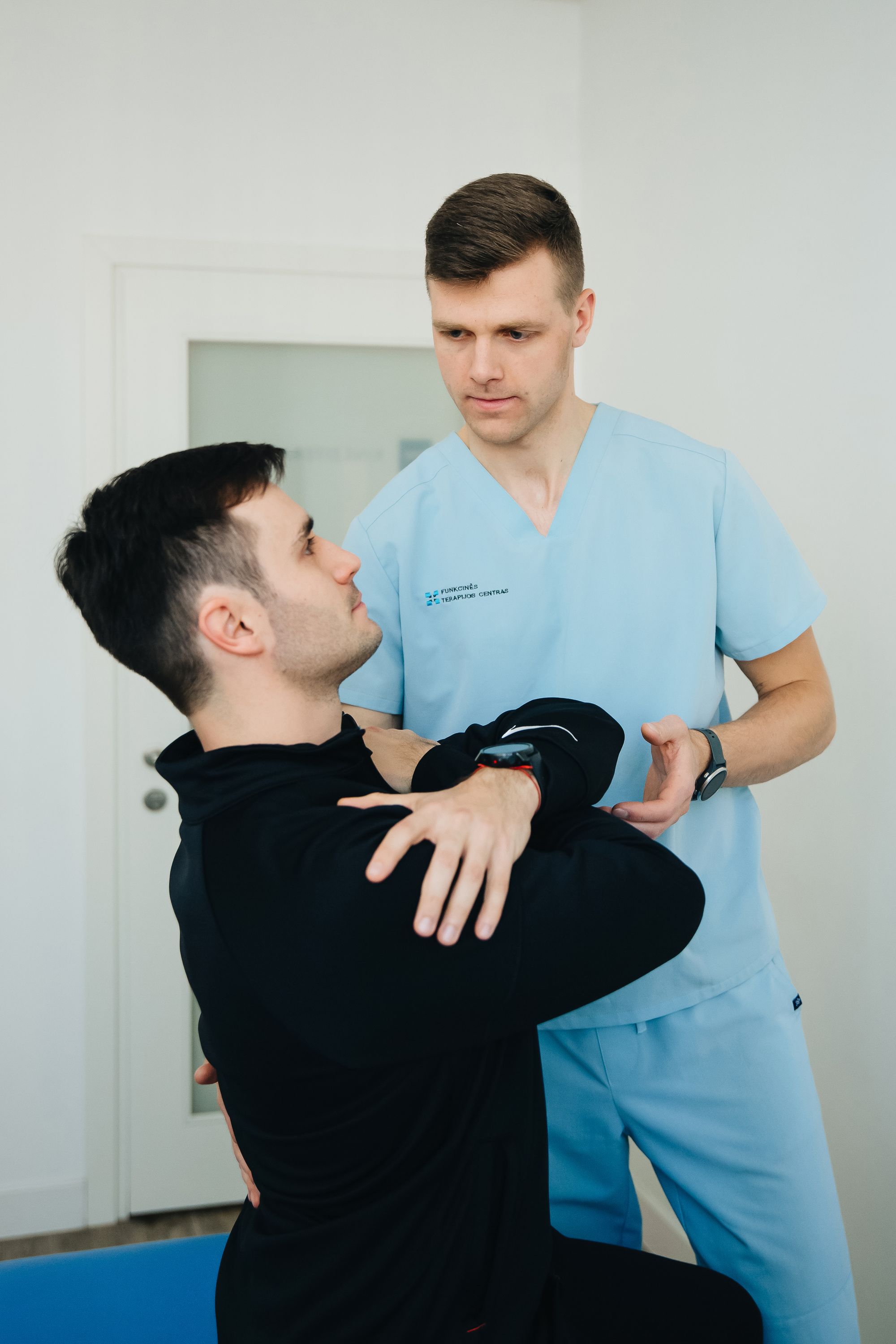
Assessment
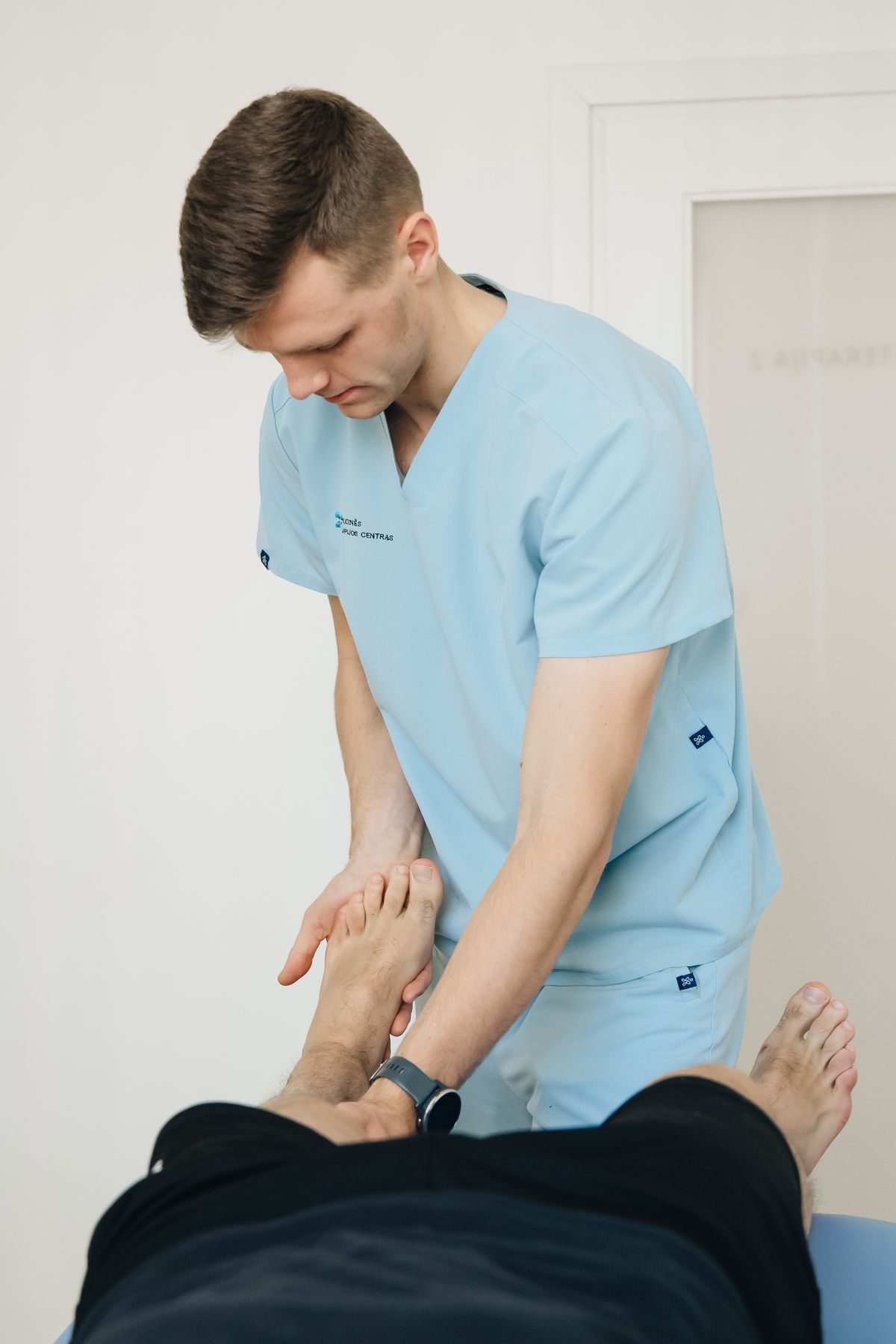
Full movement and strength assessment, joint angles measured, not guessed.
Step 2 of 4
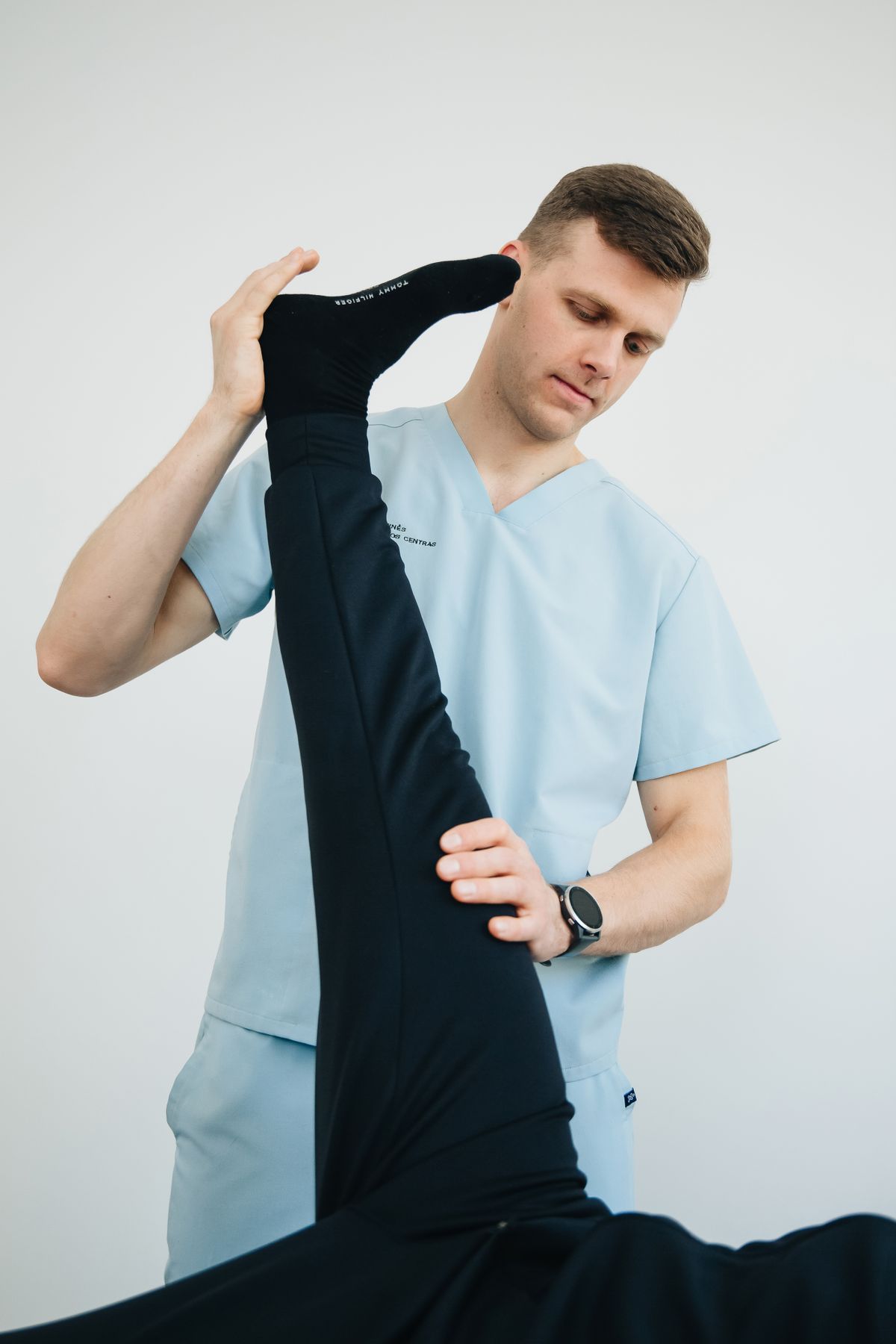
The plan
A rehab program built around your actual numbers and your actual goal.
Step 3 of 4
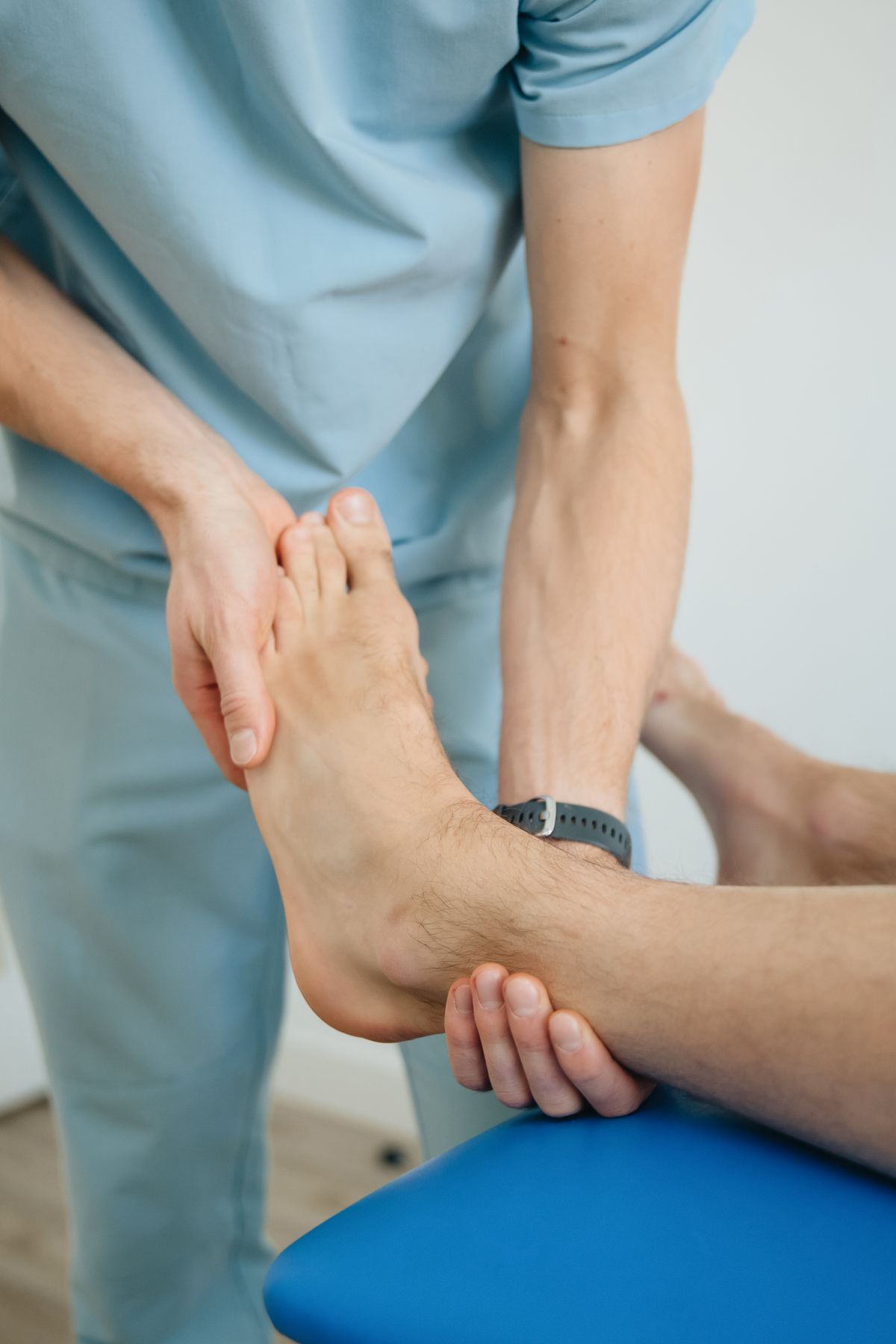
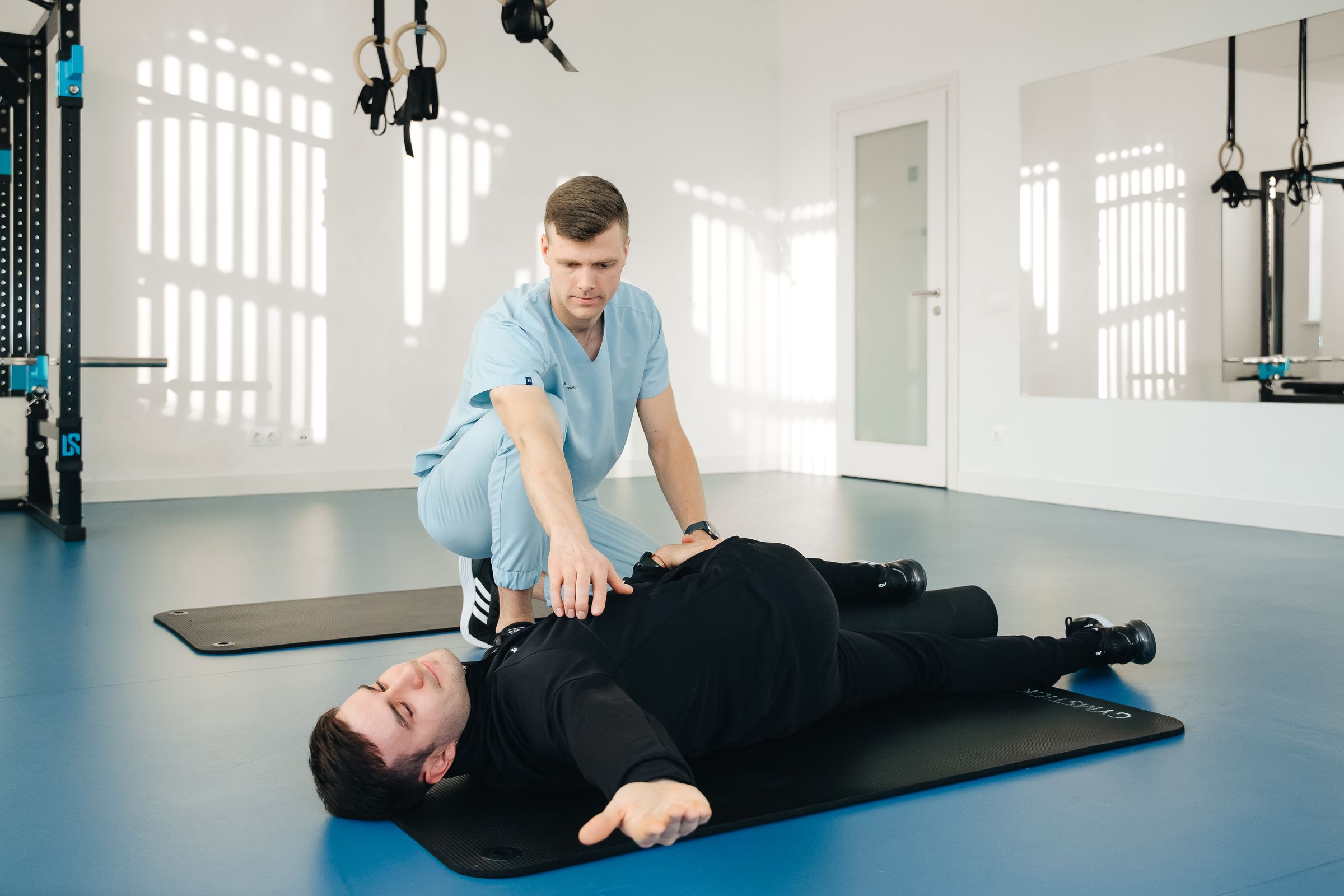
Hands-on + home program
In-clinic treatment plus a home program that's realistic enough to actually follow.
Step 4 of 4
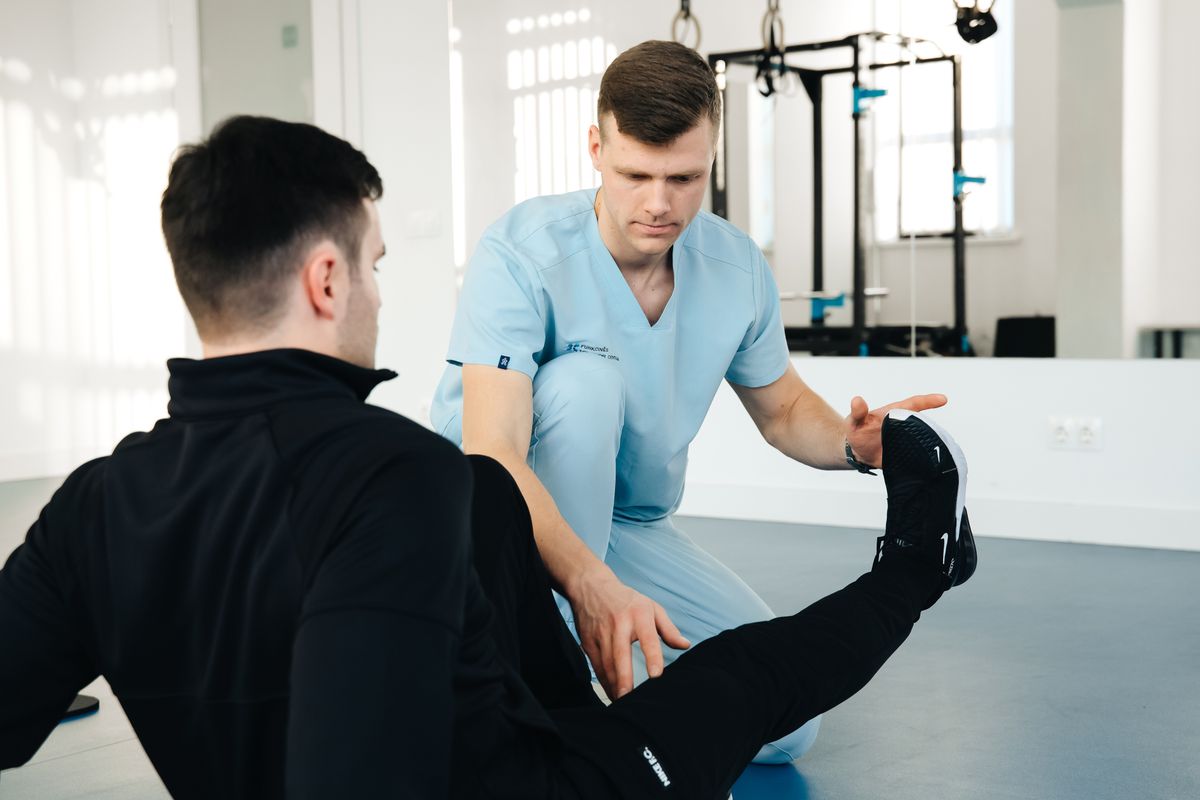
Re-test
Range and strength remeasured on a set schedule, so progress is a number, not a feeling.
A re-test, over ten weeks
What a re-test looks like.
An illustrative example: shoulder flexion after surgery, measured with a goniometer in the same position every two weeks. Each number decides the next part of the plan.
-
Week 0
40°
Baseline
Measured before any treatment starts. This is the number every re-test is compared with.
-
Week 2
71°
+31°
Hands-on work plus the home program, exactly as planned.
-
Week 4
96°
+25°
Pain has settled, so load is added to the home program.
-
Week 6
120°
+24°
On track for the 150° target set at the start.
-
Week 8
139°
+19°
Gains are slowing, so overhead strength work begins.
-
Week 10
155°
Target passed
Past 150°: cleared to start lifting overhead again.
Book an assessment
Ready to get your range back?
Book an initial assessment: a full movement and strength baseline, a real plan, no guesswork.